Why Your Grip Gives Out Before Your Legs Do in Obstacle Races
Quick Answer: In most obstacle course races, grip fatigue sets in well before leg or cardiovascular fatigue does, because forearm and hand muscles are smaller, fatigue faster under sustained load, and rarely get trained with the same volume as legs — making grip endurance, not overall fitness, the actual limiting factor for most mid-pack racers on hanging and carrying obstacles.
Your legs feel fine, your cardio feels manageable, and then you’re hanging off a rig with your forearms screaming and your hands physically opening against your will. That’s not a fitness gap — it’s a training gap, and it’s an extremely common one.
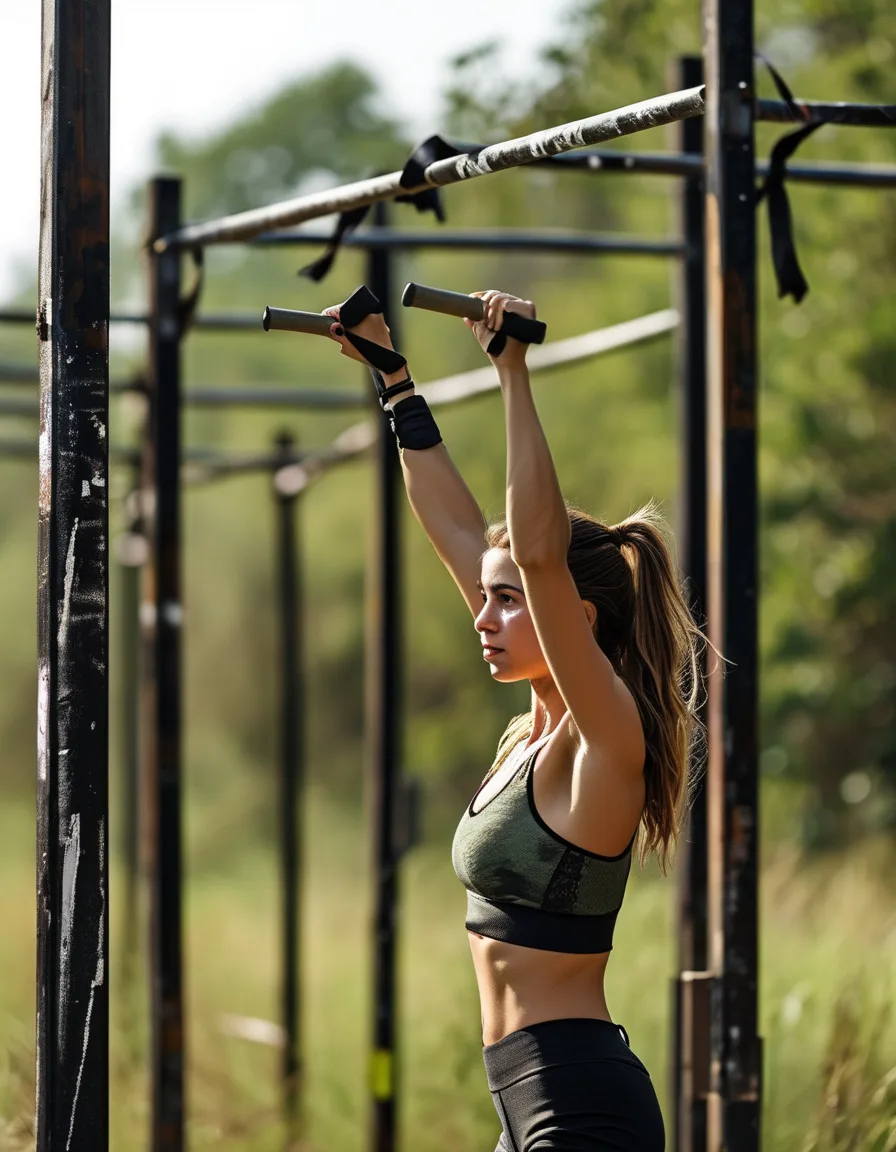
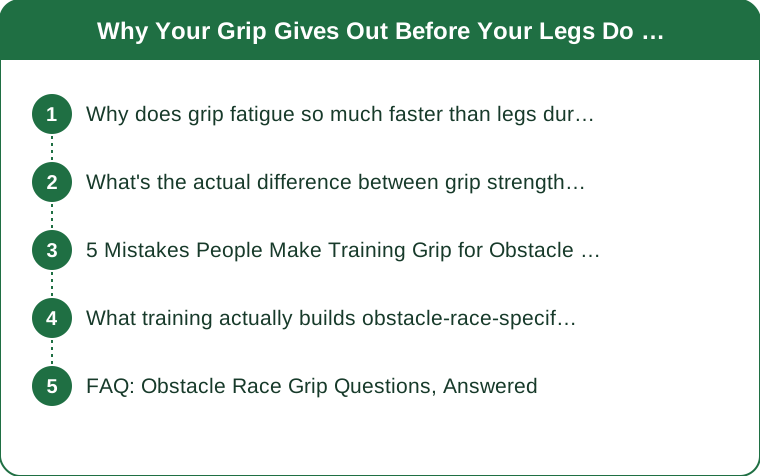
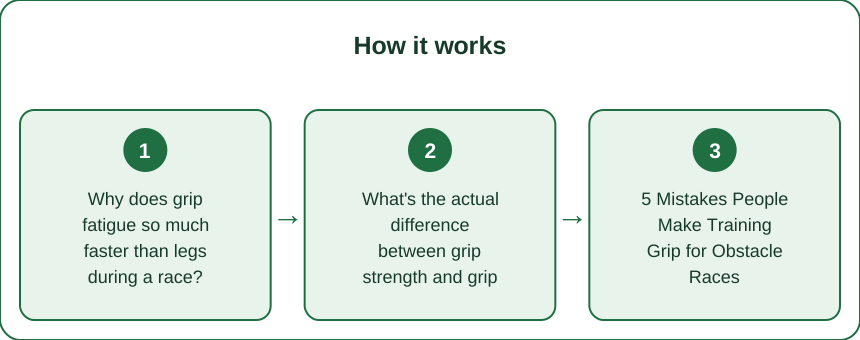
Why does grip fatigue so much faster than legs during a race?
Forearm and hand muscles are considerably smaller than leg muscle groups, meaning they have less total capacity to buffer fatigue-causing byproducts during sustained contraction. Most obstacle race training programs emphasize running and leg-based obstacle strength, while grip-specific endurance — the ability to maintain a strong hold over multiple minutes of intermittent gripping — gets comparatively little dedicated training, creating a mismatch between overall fitness and this one specific limiting factor.
What’s the actual difference between grip strength and grip endurance?
Grip strength is your maximum force output in a single effort — useful for a one-time heavy pull. Grip endurance is your ability to sustain a moderate grip force over an extended period or repeated efforts — which is what most obstacle course hanging and carrying obstacles actually demand. Training only for max grip strength (like a single hard deadlift hold) doesn’t fully prepare you for the sustained, repeated gripping obstacle races require.

5 Mistakes People Make Training Grip for Obstacle Races
1. Only training max grip strength, not endurance — obstacles usually demand sustained or repeated grip, not a single max effort. 2. Never training grip in a fatigued state — race grip fatigue compounds on top of overall body fatigue; training fresh grip only doesn’t replicate that. 3. Skipping farmer’s carries — a highly transferable exercise for the sustained-hold demand obstacles create. 4. Ignoring forearm and finger flexor recovery — these smaller muscles need adequate recovery between sessions just like larger muscle groups. 5. Not practicing wet or muddy grip conditions — race conditions often differ significantly from dry gym conditions, and grip technique needs to adapt.
What training actually builds obstacle-race-specific grip endurance?
Dead hangs for time, farmer’s carries over distance, and towel or thick-bar variations of pulling exercises all build the sustained-grip endurance obstacles demand more directly than standard grip strengtheners. Training grip after a leg or cardio session (rather than always fresh) also better simulates the fatigued-grip conditions of late-race obstacles.
FAQ: Obstacle Race Grip Questions, Answered
How often should grip-specific training be done?
2-3 times a week, allowing adequate recovery between sessions, is a reasonable frequency for building meaningful grip endurance without overuse issues.
Do grip strengtheners (hand grippers) actually help for obstacle races?
They have some carryover for raw strength but don’t fully replicate the sustained-hold, whole-forearm demand of hanging obstacles — hangs and carries are generally more specific and effective.
Does chalk make a meaningful difference in race conditions?
Yes — chalk can meaningfully improve grip security on wet or sweaty obstacles, and many racers consider it a practical race-day tool rather than optional.
TL;DR:
- Grip fatigues faster than legs in obstacle races because forearm muscles are smaller and undertrained relative to legs
- Grip endurance (sustained hold) matters more than max grip strength for most obstacles
- Farmer’s carries and dead hangs build the specific endurance obstacles demand
- Training grip in a fatigued state better simulates actual late-race conditions
If you keep falling off obstacles with plenty of leg gas left, your training gap is almost certainly grip endurance, not overall fitness.
Keep Reading
This article is for general informational and styling purposes only. Fit, sizing, and product availability may vary.