Why Your Grip Gives Out on the Exact Same Obstacle Every Single Race
Quick Answer: Grip consistently failing at the same obstacle usually comes from arriving at it with forearms already fatigued from earlier grip-heavy obstacles or over-gripping upstream ones, combined with using a full closed-fist grip on an obstacle that rewards a more efficient hook or open-hand technique — both fixable with pacing and grip-technique adjustments rather than needing raw grip strength alone.
It’s never a random obstacle. It’s the same one, race after race — and that repeatability is the clue that something specific and fixable is going on.
Why would forearm fatigue from earlier obstacles specifically target this one obstacle?
Grip strength depletes cumulatively across a race, and if the failing obstacle happens to come after one or more other grip-intensive sections, forearms may already be significantly pre-fatigued by the time they arrive there, even if the failing obstacle itself isn’t the hardest one on the course in isolation.
Does over-gripping earlier obstacles actually cause more fatigue than necessary?
Yes — gripping harder than an obstacle actually requires (a common beginner habit driven by nerves or inexperience) burns forearm endurance faster than a more efficient, just-enough grip would, leaving less in reserve for whichever obstacle later in the course happens to demand the most from an already-depleted grip.
Why does grip technique matter as much as raw strength for that specific obstacle?
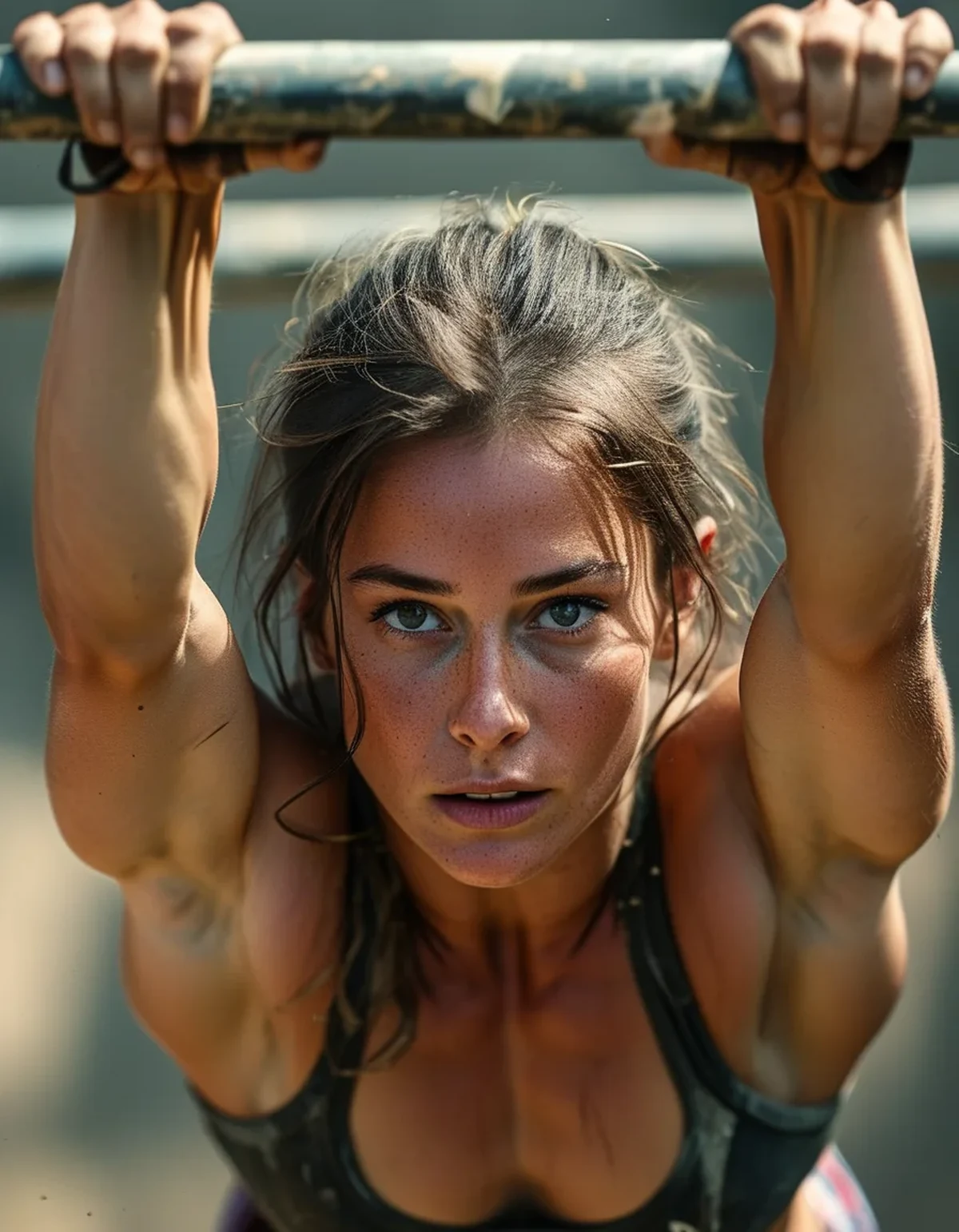
A full closed-fist grip fatigues faster than an open-hook grip (fingers curled, thumb not wrapped) on obstacles like rings or bars, since the hook technique relies more on the stronger finger flexor tendons and less on sustained full-hand muscular contraction — many repeated obstacle failures are a technique mismatch, not a raw strength shortfall.

Is there a pacing strategy that specifically protects grip for a known problem obstacle?
Yes — deliberately using a lighter, more efficient grip on obstacles before the known problem one, and mentally flagging that upcoming obstacle to shift to hook grip and a controlled pace specifically there, both preserve more forearm capacity for the moment it’s actually needed most.
Does forearm-specific training actually transfer to this exact obstacle problem?
Yes, meaningfully — dead hangs, farmer’s carries, and hook-grip-specific hangs build the exact endurance and technique combination most repeated grip-failure obstacles demand, more directly than general upper body strength training that doesn’t specifically target sustained grip.
FAQ: Obstacle Race Grip Failure, Answered
Should grip strength training happen close to race day or well in advance?
Grip endurance responds well to consistent training over several weeks; cramming heavy grip work in the final days before a race often does more harm than good through residual fatigue.
Does chalk or grip aid actually solve a technique-based grip failure?
It helps with a moisture or friction problem, but if the underlying issue is fatigue or poor hook technique, chalk alone won’t fully resolve repeated failures at the same obstacle.
Is it worth practicing the specific failing obstacle type in training, not just general grip work?
Yes — practicing the actual movement pattern (hanging, swinging, or traversing) of the specific obstacle type that keeps failing builds the precise technique and confidence general grip training alone doesn’t fully cover.
TL;DR:
- A repeated grip failure at the same obstacle usually reflects cumulative fatigue arriving there, not that obstacle being uniquely hard
- Over-gripping earlier obstacles burns forearm endurance faster than a more efficient just-enough grip
- An open-hook grip fatigues slower than a full closed fist on many bar and ring-style obstacles
- Pacing grip effort deliberately before the known problem obstacle preserves more capacity for the moment it’s needed
Next race, ease off the grip on everything before that obstacle and switch to hook technique right at it — most repeated grip failures resolve with pacing and technique before raw strength training even enters the picture.
Keep Reading
This article is for general informational and styling purposes only. Fit, sizing, and product availability may vary.